

Cardwell: Blue Water and a Quiet Coast
Cardwell sits on the Bruce Highway between Townsville and the far north, a thin strip of seaside village pressed between the mountains and the sea, and most travellers treat it as a fuel-and-food stop on the way to somewhere else. We stayed, and we were glad we did. Give Cardwell a day, and it turns out to have a rare thing going for it: a genuinely beautiful blue swimming hole up in the hills behind town, and a slow coastal calm that is getting harder to find.
Cardwell has the unusual distinction of being one of the only spots on this stretch of coast where the highway runs right along the water, so you get the sea on one side and the green wall of the Cardwell Range on the other. It is an old town by North Queensland standards, one of the first ports established in the north, and it has weathered more than its share of cyclones over the years. There is a definite resilience to the place. It has been knocked down and got back up more than once.
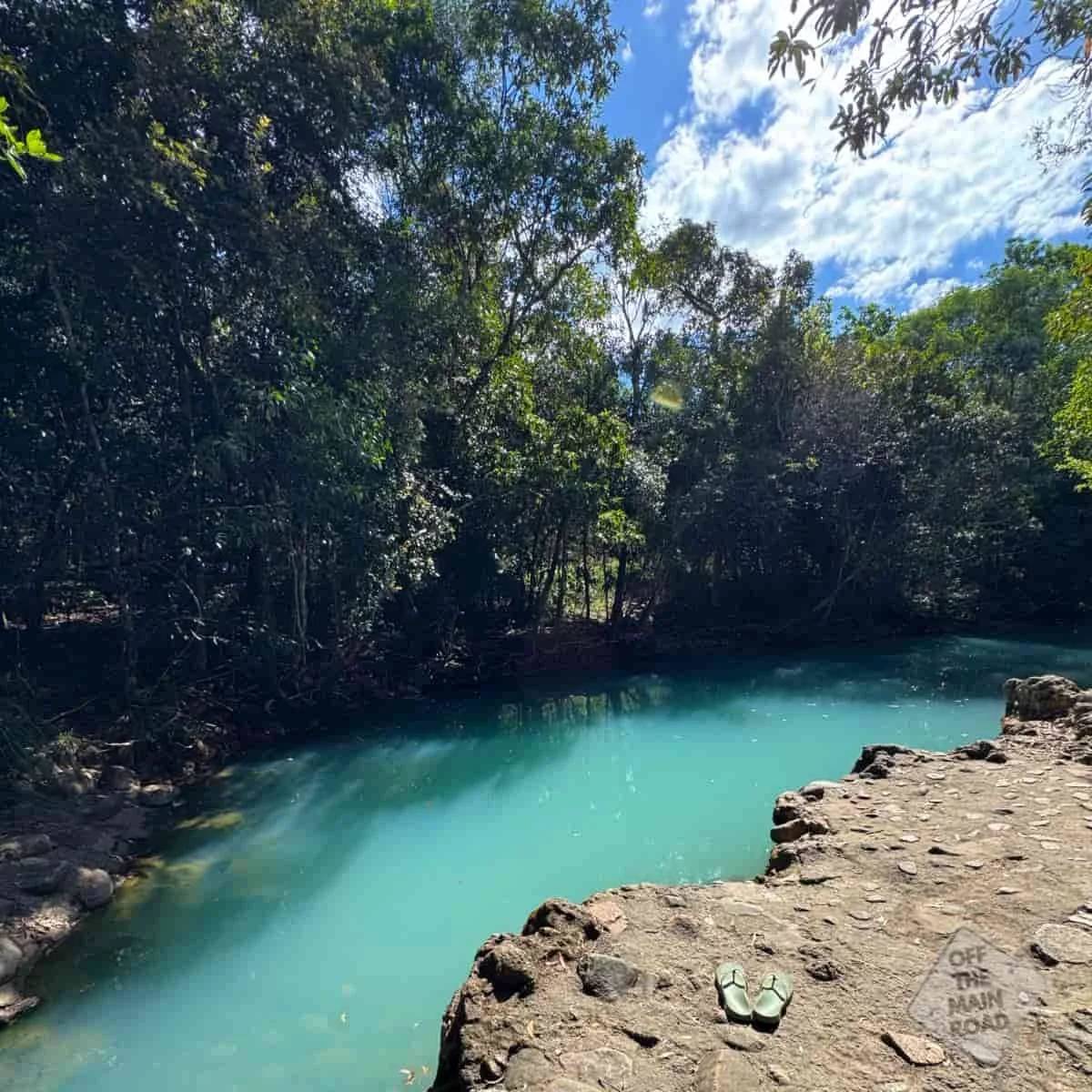
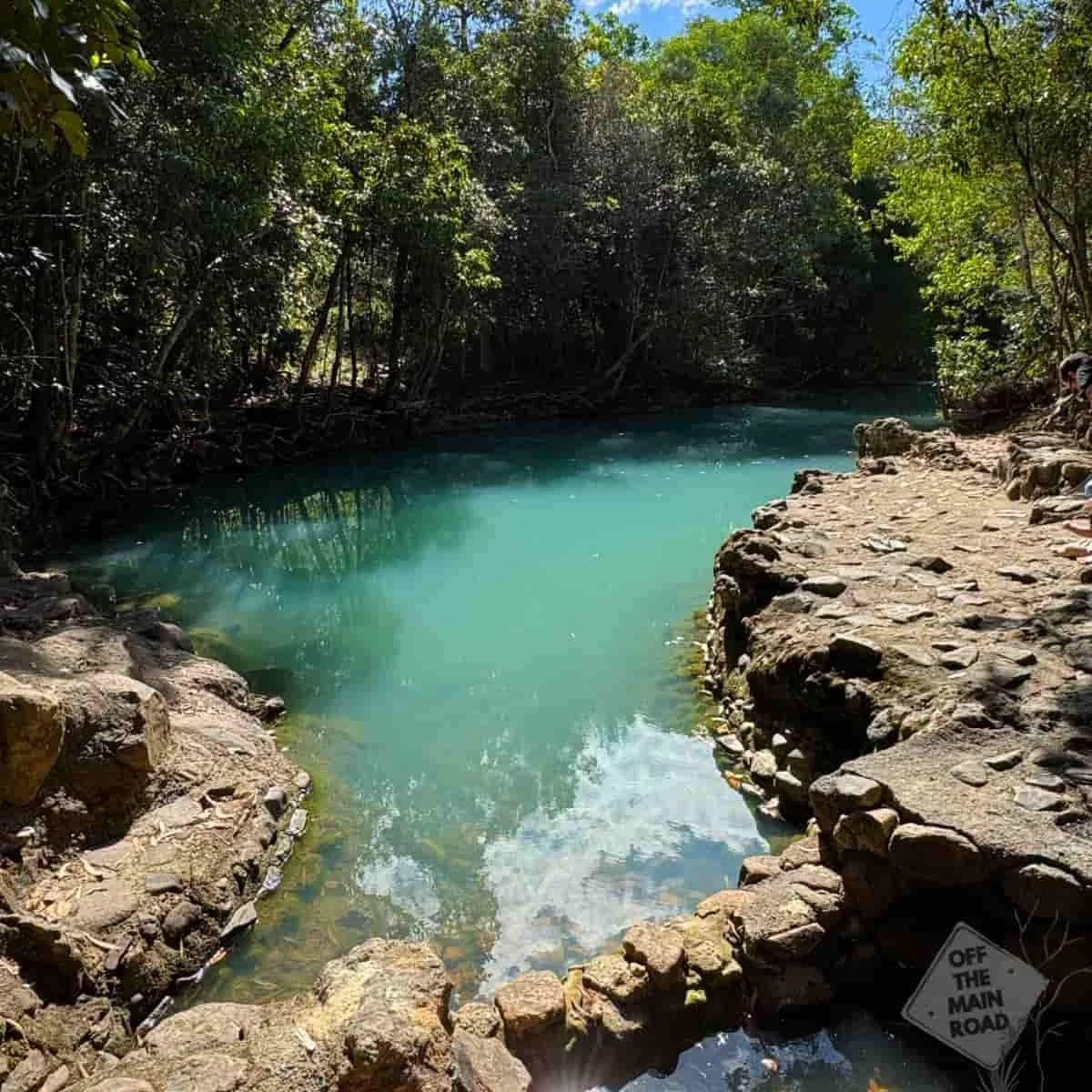
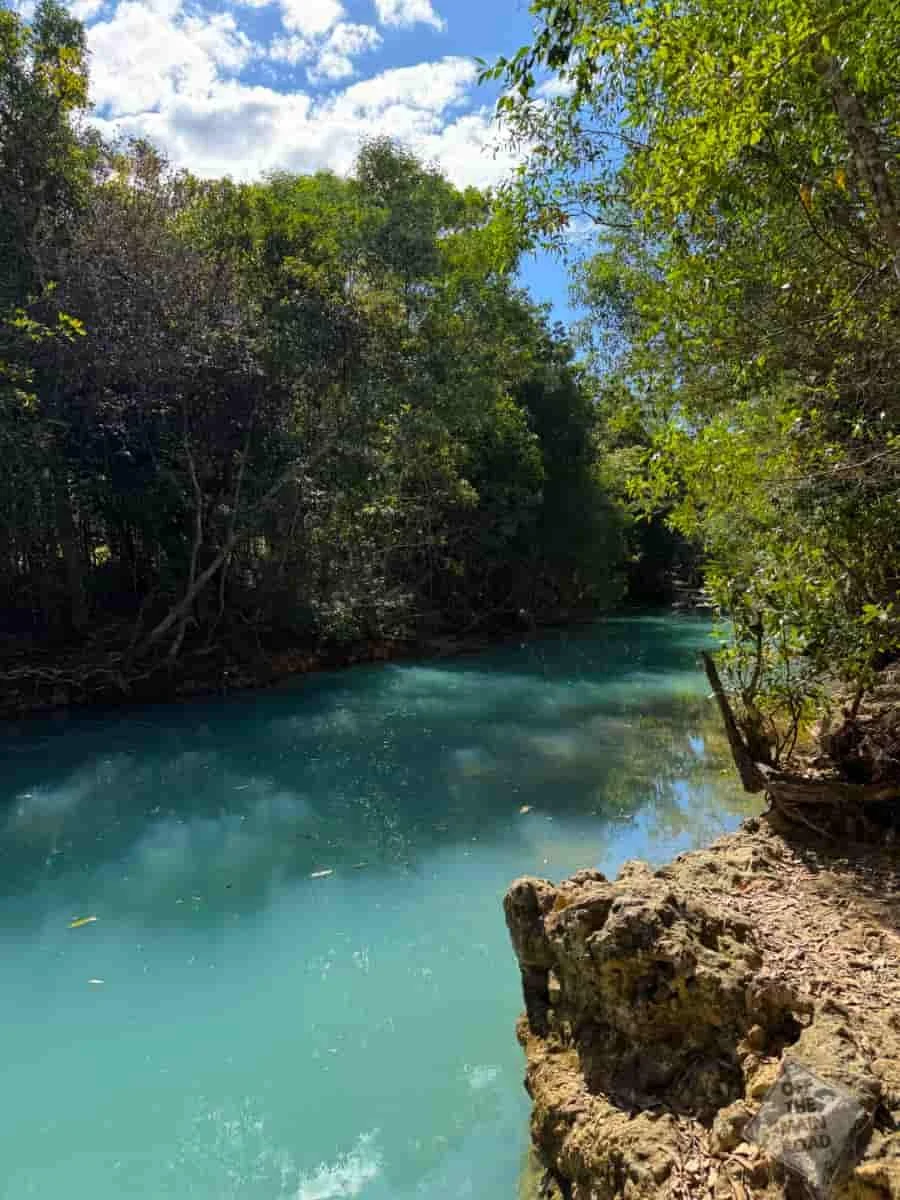
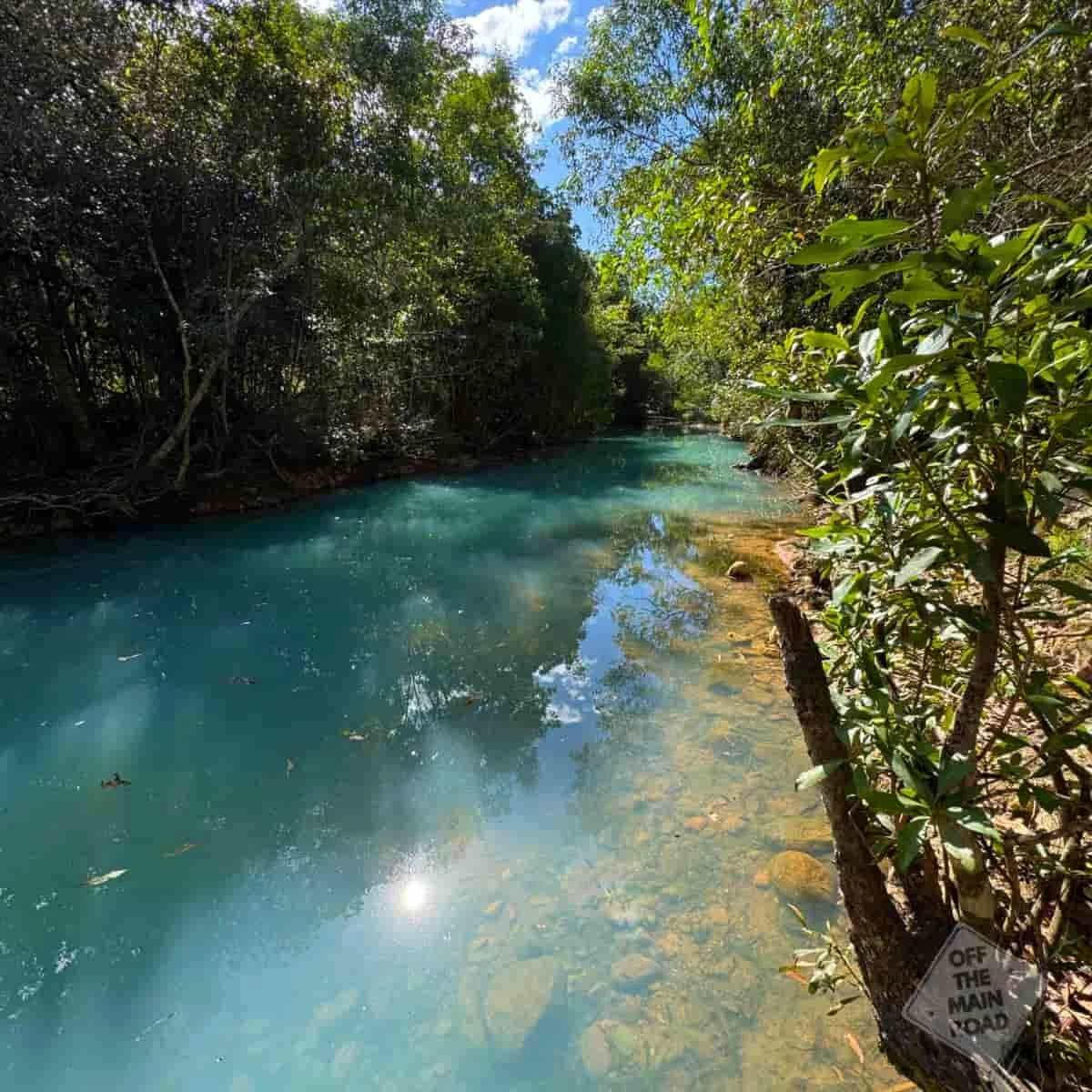
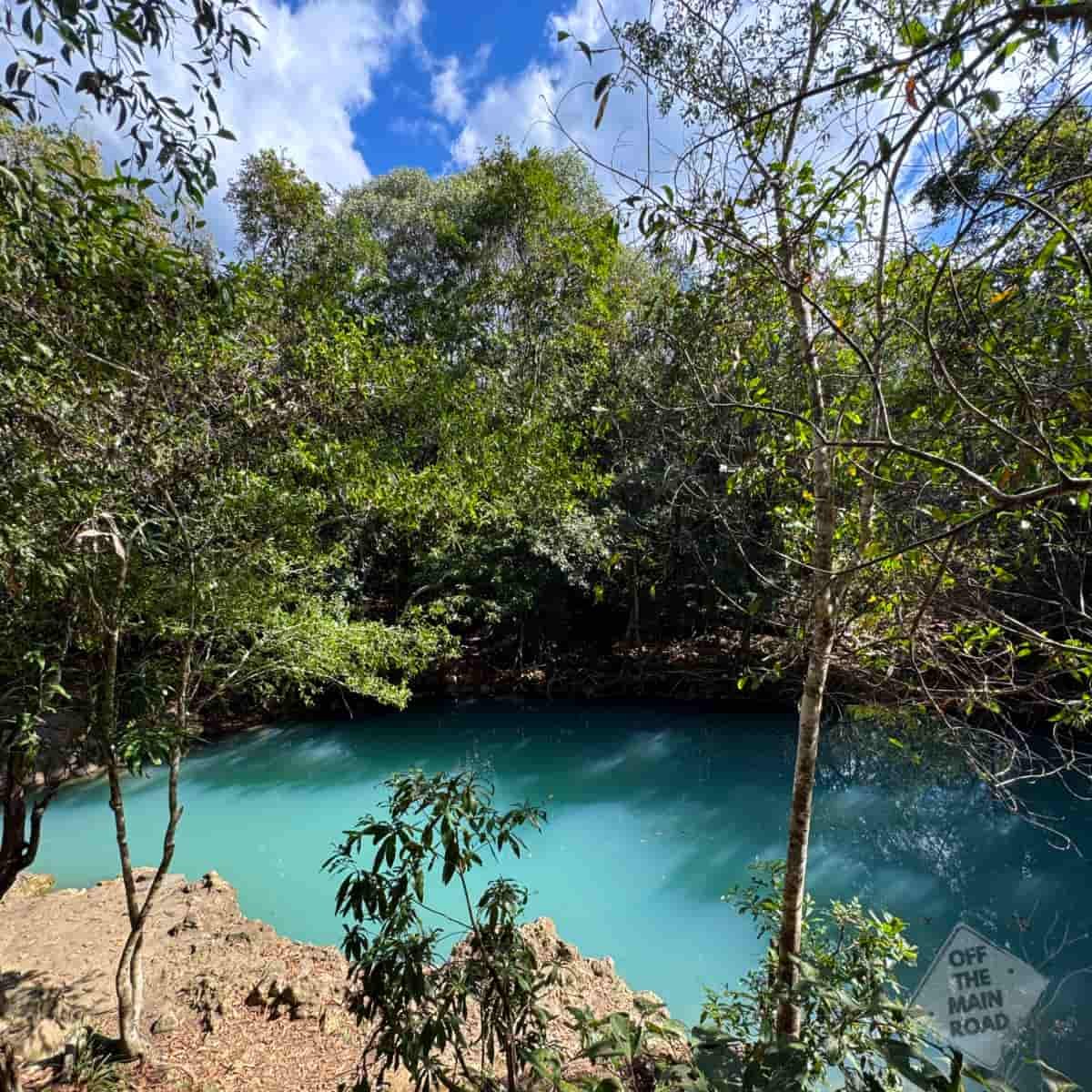
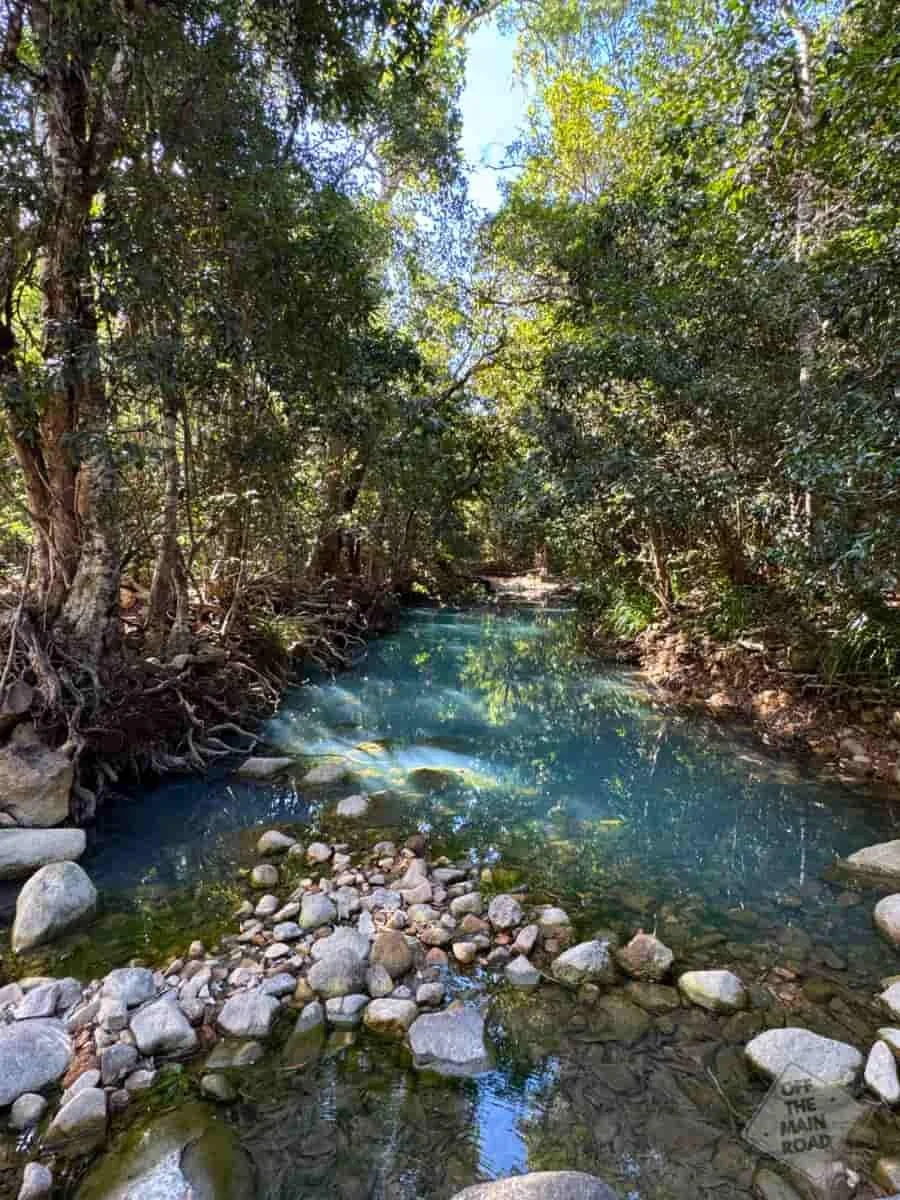
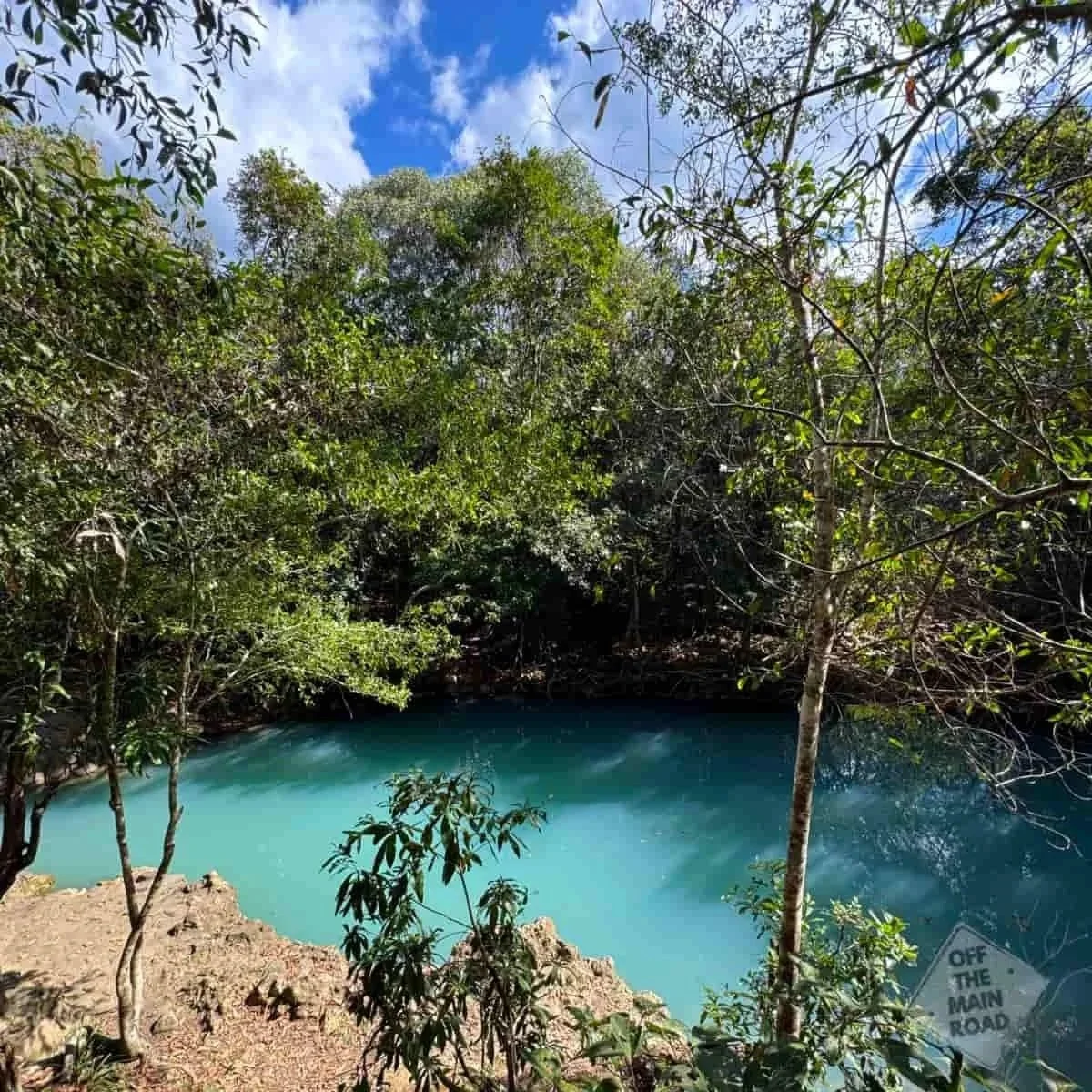
The reason most people come, and the reason we made the trip up into the hills, is the Cardwell Spa Pool. It sits on Scrubby Creek, a few kilometres inland along the Cardwell Forest Drive, and when the conditions are right it is genuinely something to see. The water turns a milky, luminous blue, almost tropical, pooling over pale rock in the middle of the rainforest. We were lucky and caught it at its best, that unreal blue against the green, and it is easy to understand why the place has become the town's signature image.
But, worth knowing before you make the drive. The Spa Pool is fed by rainfall, and the famous blue only shows up when the water is flowing and the light is right. In the dry, or after a long stretch without rain, it can drop to a still green pool or dry back to not much at all. The Instagram photos are all taken on the good days. So check with the Cardwell visitor centre or ask a local before you head up, because a wasted trip to a stagnant puddle is a real possibility, and the blue is very much a matter of timing. When it is on, it is worth every kilometre. When it is off, it is a nice enough spot but not the postcard.
You might wonder what makes the water that colour, and the answer is more interesting than a simple mineral tint. The best explanation scientists offer is a three-step natural process working together. Microscopic plants in the water, phytoplankton, produce fine carbonate minerals as a by-product of photosynthesis. Those carbonates then bind to tiny clay particles suspended in the creek, coating them in reflective minerals like calcite to form a substance called marl.
The marl, along with the phytoplankton itself, scatters and reflects the light, and the result is that milky, luminous blue. It is why the colour depends so completely on conditions: you need flowing water, suspended clay, the plankton doing their work, and good light all at once. Get all four together, and the creek glows. Miss any of them, and it is just a green pool. Which is a long way of saying the blue is alive, in a sense, and that is part of why it never looks quite the same twice.
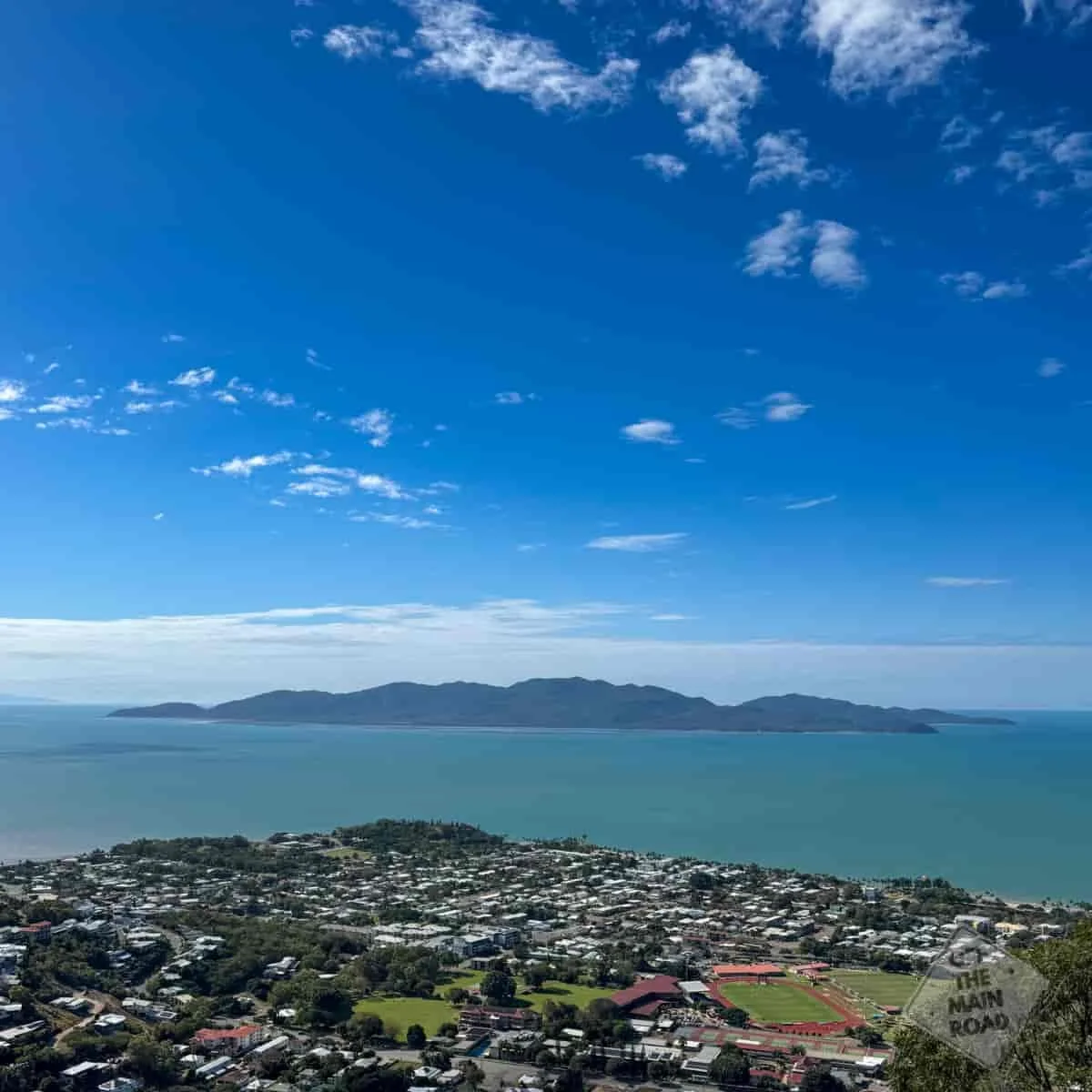
The Spa Pool is only one stop on the Cardwell Forest Drive, which is worth doing in full if you have the time. The drive winds up into the ranges behind town and takes in a string of creeks, swimming holes and lookouts, including Attie Creek Falls and the Cardwell Lookout, which gives you a wide view back over the town and out to Hinchinbrook Island offshore. It is an easy few hours of pottering, and a good way to see the country that most highway travellers never lay eyes on.
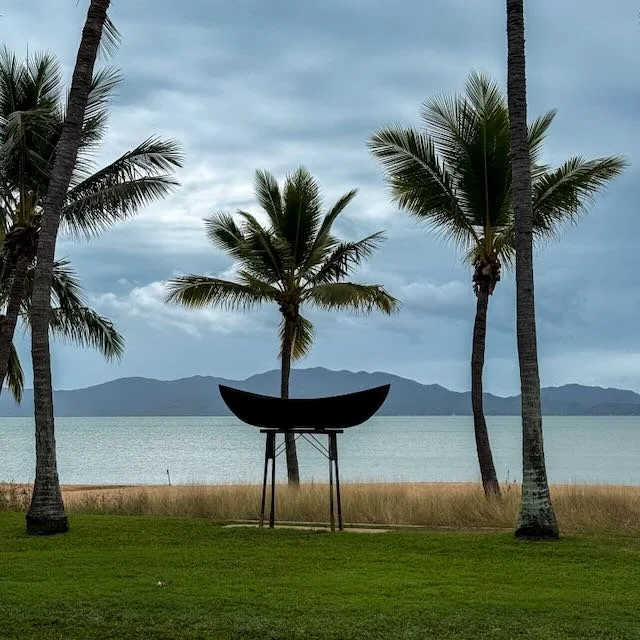
Back down at sea level, we spent time wandering the Cardwell foreshore, which has had a major upgrade in recent years and is a lovely, unhurried stretch. It runs along the water with the mountains at your back and Hinchinbrook Island filling the view across the channel, dotted with Aboriginal art installations, picnic spots and shade. This is Girramay and Bandjin country, among several Traditional Owner groups of this coast, and the art along the foreshore speaks to that connection. We did not walk out onto the jetty this time, but the foreshore walk alone was enough to fill a slow afternoon, watching the light change on the island and the channel.
Cardwell is also the gateway to Hinchinbrook Island, the largest island national park in Australia and home to the famous Thorsborne Trail, a multi-day wilderness walk that draws hikers from around the world. We did not cross this time, but it is the sort of thing that puts a town like this on the map, and it is worth knowing that the quiet little village on the highway is the jumping-off point for one of the great walks in the country.
By the time we left, Cardwell had done what the best small stops do: it gave us more than expected.
If you like the towns worth stopping in rather than driving through, our Travel Dispatch is full of them. You can sign up HERE
Cardwell
Cardwell is a small coastal town in Tropical North Queensland. One of the earliest ports established in North Queensland, it sits on the Hinchinbrook Channel with the Cardwell Range rising directly behind it, and it is one of the few places on the coast where the highway runs right along the sea. Today it is best known for the Cardwell Spa Pool, its recently upgraded foreshore, world-class fishing in the Hinchinbrook Channel, and its role as the gateway to Hinchinbrook Island and the Thorsborne Trail. This is Girramay and Bandjin country.
How to Get There
Cardwell sits directly on the Bruce Highway, about 165 kilometres north of Townsville and 240 kilometres south of Cairns, so it is an easy stop on the main coastal run and impossible to miss, the highway runs right through the middle of town along the waterfront. The road is fully sealed and suitable for all vehicles and motorhomes. The Cardwell Spa Pool and Forest Drive are a few kilometres inland on a sealed then partly unsealed road, check current conditions, while Hinchinbrook Island is reached by ferry and tour operators from the town.
What to See and Do
What we did:
Stayed in Cardwell and used it as a base to explore.
Drove up to the Cardwell Spa Pool on Scrubby Creek and caught it with its famous blue water.
Followed the Cardwell Forest Drive through the ranges for the creeks and lookouts.
Wandered the upgraded Cardwell foreshore, with its views across to Hinchinbrook Island.
Visited the Cardwell Bush Telegraph and Heritage Centre, in the oldest building north of Bowen.
Other highlights nearby:
The Cardwell Lookout on the Forest Drive, for wide views over the town and island.
Attie Creek Falls, another stop along the Forest Drive.
The Girringun Aboriginal Art Centre, representing artists from several Traditional Owner groups.
Hinchinbrook Island and the Thorsborne Trail, for those set up for a serious walk.
The Spa Pool: Timing Is Everything
The Cardwell Spa Pool is the town’s drawcard, but it comes with a catch worth understanding. The luminous blue water that appears in every photograph is created by minerals and fresh rainfall flowing over the creek’s pale rock, and it only shows up under the right conditions.
After good rain, with water moving through, it is a genuinely striking milky blue in a rainforest setting. In the dry, or after a long dry spell, it can drop to a still green pool or dry back considerably.
It is not a hot spring and not a permanent feature; it is a rain-fed creek pool that happens to turn a remarkable colour when everything lines up. Check with the Cardwell visitor centre or ask locally before you drive up, so you know whether the blue is on. When it is, it is one of the loveliest swimming spots on the coast. Parking is limited, so arrive early, and take everything out with you that you bring in.
When to Visit
The dry season, from about May to October, gives you the reliable, comfortable weather for exploring the Forest Drive and the foreshore, with warm days and low humidity. The catch is that the Spa Pool’s blue depends on rainfall, so the very conditions that make travel easy can leave the pool low.
The shoulder months, when there has been some rain but the roads are still good, can be the sweet spot for catching the blue. The wet season, from November to April, brings heat, humidity, heavy rain and the risk of cyclones and road closures, though it is also when the creeks run their fullest. Whenever you come, check conditions locally.
Final Thoughts
Cardwell is a town well worth a stop. It does not shout, it does not crowd you, and it hands over its best on quiet terms, a blue pool in the green hills, a calm coast with an island filling the view, and the easy pace of a place that has seen a lot and settled into itself. We came expecting a quick overnight stop and left having found one of the more restful stops on the whole run north. Sometimes the towns everyone drives past are exactly the ones worth staying in.
What's Nearby
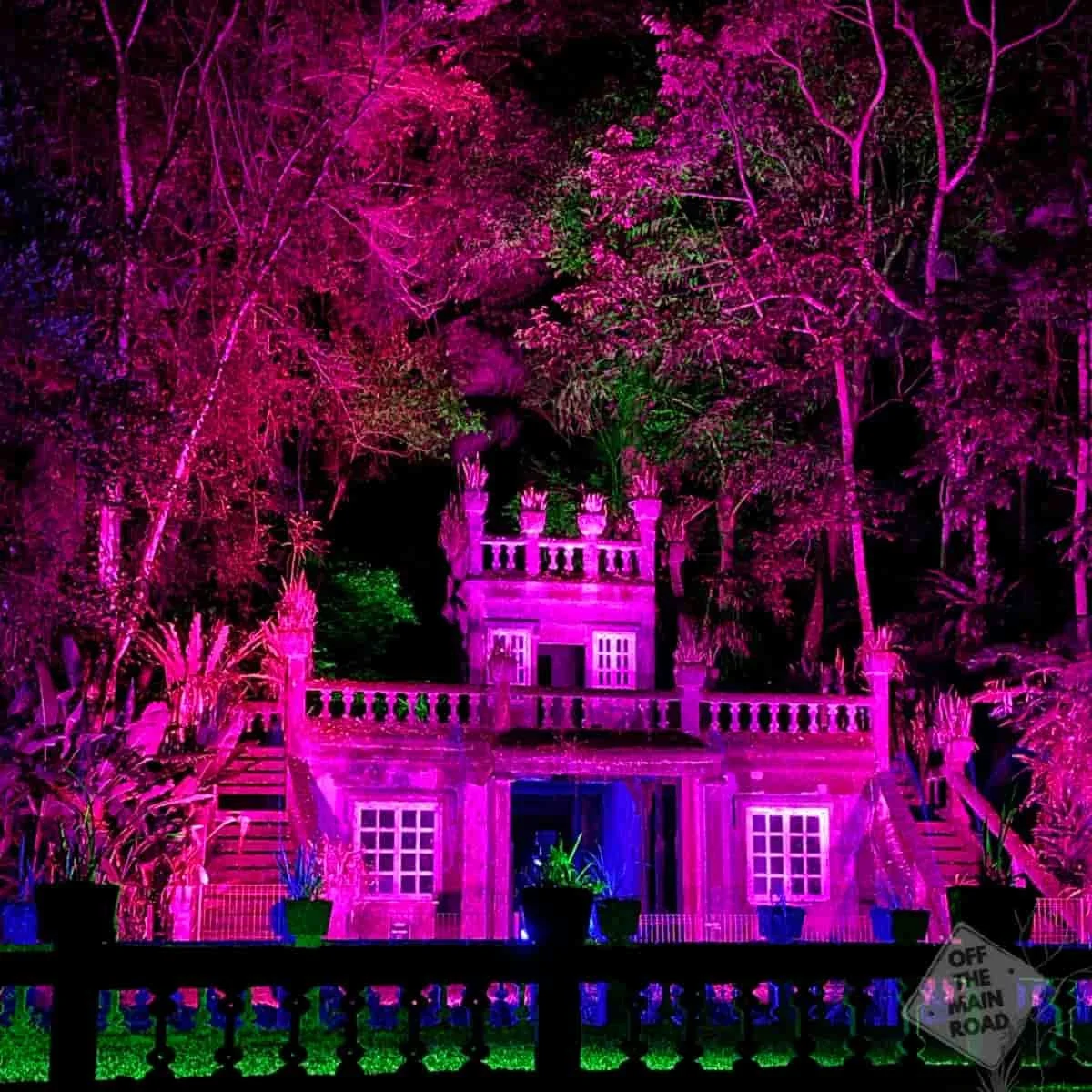
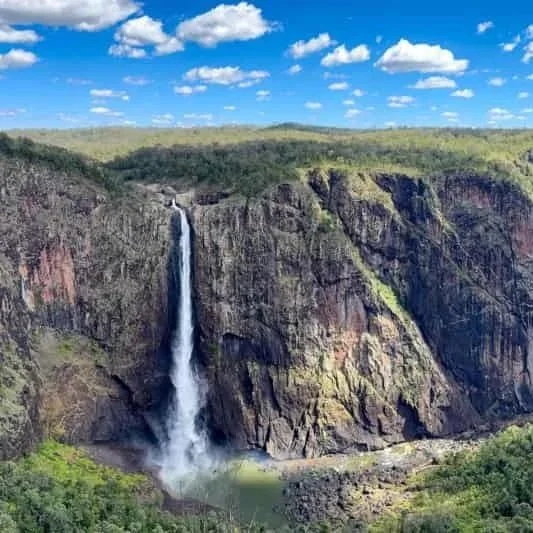
Cardwell sits on the coastal run between Townsville to the south and the far north. Just down the highway are the rainforest water stops of Big Crystal Creek and Wallaman Falls, while north lie Tully, with its Golden Gumboot, and the rainforest castle ruins of Paronella Park on the way toward Cairns. Offshore, Hinchinbrook Island is a world of its own for anyone with the time and the legs for it.
We share the quiet coast and the green hills behind it through our Travel Dispatch. If that is your pace, you can join usHERE

Fast Facts
Location: Cardwell, Tropical North Queensland, on the Bruce Highway
Distance: About 165km north of Townsville; 240km south of Cairns
Traditional Owners: Girramay and Bandjin peoples
Access: Fully sealed highway through town, all vehicles. Spa Pool and Forest Drive partly unsealed; check conditions
Facilities: Fuel, food, supplies, accommodation, caravan parks, foreshore, visitor centre. Full services in town
The Spa Pool: Rain-fed; the famous blue depends on recent rainfall. Check locally before driving up
Don’t Miss: Cardwell Spa Pool (conditions permitting); the Forest Drive; the foreshore and Hinchinbrook views
Best Time to Visit: Dry season for travel; shoulder months for the best chance of the Spa Pool’s blue
Dog Friendly: Town and foreshore areas yes (on lead); not permitted in Hinchinbrook Island or Girringun national parks
Things That Could Kill You (Probably Won’t)
A semi-serious guide to surviving Australia. Mostly common sense, occasionally luck.
Salt Water crocodiles: This is croc country. The Hinchinbrook Channel and coastal creeks are saltwater crocodile habitat. Do not swim in the channel or the tidal creeks, and heed the signs.
The Spa Pool rocks: The pale rock around the pool is slippery, and water levels and flow change with rain. Check depth before entering and watch your footing.
The heat and sun: Tropical North Queensland turns it on. Hat, water, and do the walking and driving in the cooler part of the day.
Marine stingers: The sea here can carry box jellyfish and irukandji in the warmer months. Do not swim off the beach in stinger season without protection, and follow local advice.

Other updates you may like…



Updated September 2026
Beach walks, local markets, and whales in calm blue water. Hervey Bay is the coast at its most easygoing. Perfect for slow mornings, sea breezes, and a good reminder to pause for a while.